
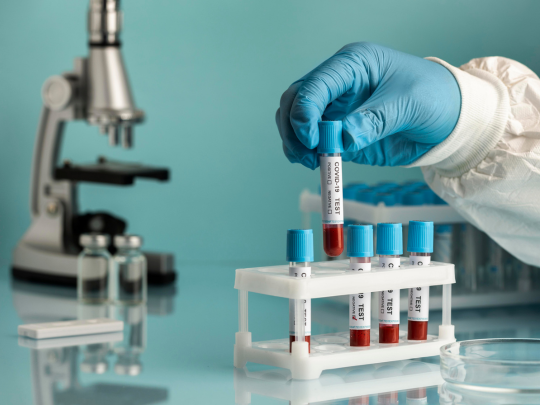
Diseases can be difficult to treat, and identifying them accurately is often the harder task. Pathology — the scientific study of disease — helps solve that problem. Pathology in Malabar examines cells, body fluids and tissues to understand how a disease develops and progresses, giving your doctor the information needed to make confident clinical decisions.
The Main Branches of Pathology
Different branches of pathology focus on different aspects of diagnosis:
- Anatomical pathology: examines the structure and appearance of tissues to identify disease.
- Clinical pathology: involves testing body fluids in a laboratory.
- Molecular pathology: studies genetic and molecular changes so disease can be recognised and treated at a cellular level.
Together, these areas allow conditions to be identified at an earlier stage, when there are usually more options available. If you would like to know what a collection appointment involves, read our guide on pathology collection at Malabar Medical Centre.
Early Detection and Accurate Diagnosis
Early detection is one of the most valuable roles pathology plays. Histopathological examination of a biopsied sample, for example, can identify abnormal cell growth that may indicate cancer. An accurate result leads to a suitable, targeted treatment plan rather than guesswork. In most cases, a person attends for testing after their doctor reviews their symptoms and provides a referral.
Testing also supports routine preventive care, which is why pathology often forms part of regular health checks with your GP in Malabar.
Personalised Treatment
Once results are available, your doctor can tailor treatment to what the reports actually show. That might involve adjusting medication, recommending a particular therapy, suggesting dietary changes, or building in regular exercise. Because the plan is based on measured findings rather than assumptions, it can be matched much more closely to the individual and reviewed as things change.
Pathology in Surgical Decisions
Pathology also helps establish a person’s current condition before a procedure. Where someone has been injured or is managing a serious illness, laboratory analysis of samples can reveal factors that would make surgery riskier. That information helps the treating team weigh up the safest approach.
Monitoring How Well Treatment Is Working
Diagnosis is only the beginning. Repeat testing shows whether a treatment is having the intended effect, allowing adjustments to be made at the right time rather than months later. This is particularly useful for long-term conditions — ongoing monitoring is central to diabetes management with your Malabar GP, where results guide day-to-day decisions.
Supporting Medical Research
Beyond everyday clinical practice, pathology underpins medical research. The global response to COVID-19 is a clear example: the detailed findings about the virus were generated through pathology work. What is learned in the laboratory eventually shapes the care offered in the consulting room.
What Happens After Your Test
Results are reviewed by your doctor, who will explain what they mean in the context of your symptoms and history. Some results confirm that no further action is needed; others prompt a change in treatment or a follow-up test. If you are unsure what to bring or ask, our guide on what to expect at your first GP appointment in Malabar may help. It is also worth understanding which pathology tests are covered by Medicare before your visit.
Conclusion
Pathology helps identify health issues that would otherwise go unnoticed. Modern testing methods mean that pathology in Malabar can produce detailed, reliable information for your doctor to act on — supporting earlier diagnosis, better-matched treatment and clearer monitoring over time. If you have symptoms or questions about testing, speak with your GP about whether a pathology referral is appropriate.