
Key Takeaways
- Pathology collection is vital for accurate diagnosis and monitoring of health conditions, including common winter illnesses.
- Malabar Medical Centre provides convenient, expert pathology collection services on-site or through referral, ensuring seamless integration with your GP care.
- Timely pathology results, discussed with your GP, empower you to make informed health decisions and access appropriate treatments like antivirals or vaccinations.
Understanding Pathology Collection: A Cornerstone of Modern Healthcare
Pathology collection forms the invisible backbone of modern healthcare, providing essential insights into our bodies’ functions and potential ailments. For residents of Malabar, NSW, and the surrounding eastern suburbs of Sydney, understanding what pathology collection entails can demystify a crucial step in their health journey. At Malabar Medical Centre, we believe in empowering our patients with knowledge, ensuring you feel comfortable and informed about every aspect of your care.
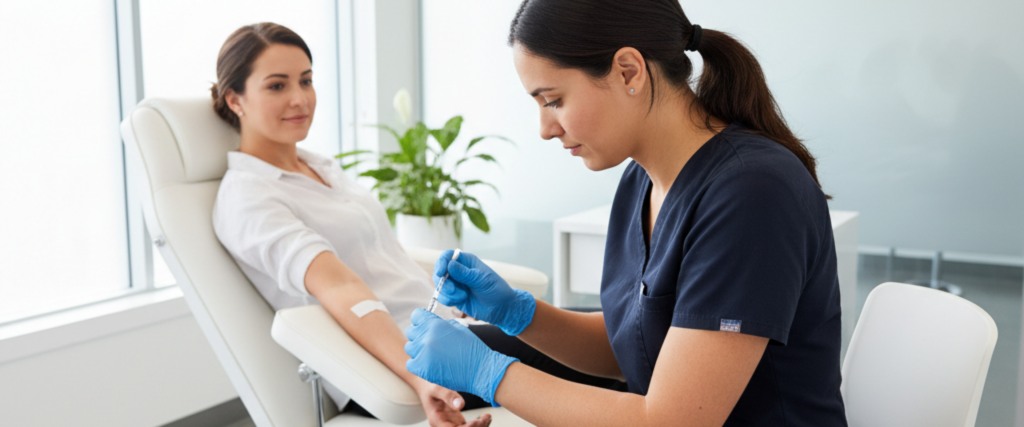
In essence, pathology collection involves gathering biological samples – such as blood, urine, or swabs – for laboratory analysis. These analyses help medical professionals diagnose diseases, monitor chronic conditions, assess treatment effectiveness, and even screen for potential health risks before symptoms appear. It’s a fundamental tool that guides our GPs in making accurate diagnoses and developing personalised treatment plans, especially important during the Australian winter.
What is Pathology and Why is it Important?
Pathology is the study of disease. Pathologists are medical specialists who analyse samples to identify the causes and effects of illness. The collection of these samples, often done by trained pathology collectors, is the first critical step. Without accurate and timely collection, the subsequent laboratory analysis cannot provide reliable results. This process is integral to detecting everything from routine infections to complex chronic diseases, ensuring early diagnosis and effective intervention.
Your Pathology Experience at Malabar Medical Centre
At Malabar Medical Centre, we strive to make your pathology collection experience as convenient and stress-free as possible. Our dedicated team works closely with reputable pathology laboratories to facilitate a seamless process, whether the collection happens on-site or via a referral to a nearby collection centre. We prioritise your comfort and ensure that all procedures are performed with the highest standards of care and hygiene.
When your GP at Malabar Medical Centre determines that a pathology test is necessary, they will provide you with a referral form. This form details the specific tests required and guides the pathology collector on what samples to take. Our team can help you understand the process, answer any questions you may have, and ensure you are fully prepared for your appointment.
Convenience for Malabar, NSW Residents
Located conveniently in Malabar, NSW, Malabar Medical Centre is committed to providing accessible healthcare services to our local community. For many common tests, we aim to offer on-site collection, reducing the need for you to travel to multiple locations. This integration of pathology services directly within our medical centre ensures a streamlined experience, from GP consultation to sample collection and subsequent results discussion.
Our goal is to integrate all aspects of your primary healthcare under one roof, making it easier for you to manage your health. This includes coordinating your pathology collection, ensuring your GP receives results promptly, and scheduling follow-up appointments to discuss findings. We believe that this holistic approach helps in providing comprehensive and continuous care for all our patients.
Common Pathology Tests and Their Role in Diagnosis
Pathology tests encompass a wide range of analyses, each designed to provide specific insights into your health. While some tests are routine check-ups, others are crucial for diagnosing particular symptoms or monitoring ongoing conditions. Understanding the most common types can help you appreciate their significance.
Blood Tests: A Window into Your Health
Blood tests are perhaps the most frequently ordered pathology investigations. They can reveal a wealth of information, from your general health status to specific markers of disease. Common blood tests include:
- Full Blood Count (FBC): Checks for anaemia, infection, and other blood disorders.
- Blood Glucose: Measures sugar levels, crucial for diagnosing and managing diabetes.
- Cholesterol and Lipids: Assesses risk factors for heart disease.
- Liver Function Tests (LFTs): Evaluates liver health and detects damage or disease.
- Kidney Function Tests (KFTs): Measures kidney performance and identifies potential issues.
- Thyroid Function Tests (TFTs): Checks for thyroid imbalances that can affect metabolism and energy levels.
These tests are fundamental for both routine health checks and investigating specific symptoms, guiding your GP towards an accurate diagnosis.
Urine Tests: Detecting Infections and Kidney Issues
Urine samples are often collected to detect urinary tract infections (UTIs), kidney disease, or other metabolic conditions. A simple urine test can quickly identify the presence of bacteria, blood, or abnormal substances, allowing for prompt treatment. For example, in winter, a UTI might present with similar symptoms to a cold, making a urine test essential for correct diagnosis.
Swabs: Identifying Specific Pathogens
Swabs are collected from various parts of the body, such as the throat, nose, or wounds, to identify specific microorganisms causing infection. These are particularly important for diagnosing respiratory illnesses during the colder months, helping to pinpoint the exact pathogen responsible for your symptoms. This distinction is crucial for prescribing the most effective treatment, such as antivirals for influenza.
Pathology results provide objective data that, combined with a patient’s symptoms and medical history, allows GPs to build a complete picture of health and guide effective treatment strategies.
Pathology and Winter Respiratory Illnesses: Staying Healthy in 2026
As we head into Winter 2026, respiratory illnesses become a significant concern for families across Australia. Pathology collection plays a critical role in diagnosing and managing these conditions, helping to differentiate between common colds, influenza, COVID-19, and other more serious infections. Malabar Medical Centre is at the forefront of protecting our community through proactive care, including timely testing and vaccination.
Influenza A & B: Timely Diagnosis and Antivirals
Influenza, commonly known as the flu, can cause severe illness. Pathology tests, typically nasal or throat swabs, can quickly determine if you have Influenza A or B. This timely diagnosis is crucial because antiviral medications for the flu are most effective when started within 48 hours of symptom onset. Our GPs at Malabar Medical Centre can discuss your symptoms, arrange for testing, and prescribe antivirals if appropriate.
Don’t forget the importance of the annual flu shot. We encourage all eligible patients to book their flu vaccination at Malabar Medical Centre early in the season to gain maximum protection. This simple step can significantly reduce your risk of severe illness.
COVID-19: Current Variants and Booster Eligibility
COVID-19 continues to evolve, with new variants emerging. Pathology testing, usually via PCR swabs, remains the most accurate way to confirm a COVID-19 infection. If you have symptoms, or have been exposed, your GP can arrange for testing. Understanding your COVID-19 status is vital for managing your health, isolating appropriately, and accessing treatments like antivirals.
Malabar Medical Centre offers COVID-19 booster vaccinations for eligible individuals, helping to maintain strong immunity against current variants. Discuss your booster eligibility with our GPs during your next visit. If you test positive, our GPs can assess your suitability for COVID-19 antivirals, which can reduce the risk of severe illness, especially for vulnerable patients.
RSV, Whooping Cough, and Pneumonia: Protecting Vulnerable Populations
Beyond flu and COVID-19, other respiratory illnesses pose risks, particularly to infants, the elderly, and immunocompromised individuals:
- RSV (Respiratory Syncytial Virus): A common cause of respiratory illness in young children and older adults. Swab tests can confirm RSV, guiding appropriate care.
- Whooping Cough (Pertussis): Highly contagious and dangerous for infants. A nasal swab can diagnose pertussis. We strongly recommend the pregnancy booster for expectant mothers and ensuring children are up-to-date with their immunisation schedule.
- Pneumonia: Can be bacterial or viral. Chest X-rays and blood tests (e.g., C-reactive protein) often accompany pathology swabs to diagnose pneumonia and guide treatment. Our GPs can discuss pneumococcal vaccine candidates for at-risk groups.
Early diagnosis through pathology is key to managing these conditions effectively and preventing complications. Our GPs are here to guide you through the testing process and interpret the results.
Ready to Prioritise Your Winter Health?
Book a proactive health check-up with a Malabar Medical Centre GP today – it could be the “five minutes that could keep you out of hospital this winter.”
Understanding Your Results and Next Steps with Your GP
Receiving your pathology results can sometimes be daunting, but at Malabar Medical Centre, our GPs are here to ensure you fully understand what they mean for your health. We believe in clear communication and providing comprehensive guidance on any necessary next steps, ensuring you are actively involved in your healthcare decisions.
Interpreting Your Pathology Report
Once your pathology results are available, your GP will review them thoroughly. They will explain any abnormal findings, discuss their implications, and answer all your questions. It’s important to remember that a single abnormal result doesn’t always indicate a serious problem; sometimes, it requires further investigation or simply re-testing. Your GP has the expertise to interpret these results in the context of your overall health, symptoms, and medical history.
Developing a Personalised Treatment Plan
Based on your pathology results and clinical assessment, your GP will work with you to develop a personalised treatment plan. This might involve prescribing medication, referring you to a specialist (where an upfront fee with a partial Medicare rebate applies), recommending lifestyle changes, or scheduling further tests. For many patients, these discussions can be part of a bulk-billed GP visit, making essential follow-up care accessible.
For winter respiratory illnesses, this might include prescribing antivirals for influenza or COVID-19, antibiotics for bacterial pneumonia, or advising on symptom management. Our GPs will also discuss when antibiotics are NOT appropriate, such as for viral bronchitis, to help combat antibiotic resistance.
When to Seek Urgent Care
While your GP manages most health concerns, it’s vital to recognise red flags that warrant urgent medical attention, especially during winter illness season. Seek immediate medical help if you experience:
- Chest pain or pressure
- Severe difficulty breathing or shortness of breath
- Blue lips or face
- Sudden confusion or disorientation
- Severe, persistent vomiting or diarrhoea leading to dehydration
- Fever higher than 39 °C in infants (under 3 months) or any fever accompanied by a rash.
These symptoms could indicate a serious condition requiring emergency care. Always err on the side of caution when your health is concerned.
Preparing for Your Pathology Collection
Proper preparation for your pathology test can significantly impact the accuracy of your results and the smoothness of the collection process. Your GP or the Malabar Medical Centre team will provide specific instructions for your particular tests, but here are some general guidelines:
Key Preparation Steps
- Fasting: Some blood tests, like those for blood glucose or cholesterol, require you to fast for a certain period (typically 8-12 hours) before the collection. This means no food or sugary drinks, only water. Ensure you understand if your test requires fasting.
- Medications: Inform your GP and the pathology collector about all medications you are taking, including over-the-counter drugs and supplements. Sometimes, certain medications need to be avoided before a test, or the timing of your dose might be important.
- Hydration: Staying well-hydrated by drinking plenty of water (unless fasting for a specific test) can make blood collection easier, as it helps to plump up your veins.
- Bring Your Referral: Always bring your pathology referral form with you to the collection centre. This ensures that the correct tests are performed.
- Relax: Try to relax during the collection. Stress can sometimes affect certain test results, and being calm can make the process more comfortable.
If you have any questions about preparation, please don’t hesitate to ask our friendly staff at Malabar Medical Centre before your appointment.
Why Choose Malabar Medical Centre for Your Health Needs?
Choosing Malabar Medical Centre means choosing a dedicated team committed to your holistic health. We understand the unique health challenges faced by residents in Malabar, NSW, and the broader eastern suburbs of Sydney, especially during the colder months. Our comprehensive approach ensures you receive timely, accurate, and compassionate care.
Integrated Care and Community Focus
We pride ourselves on offering integrated healthcare services, from routine GP consultations and preventative health checks to pathology collection, immunisations, and chronic disease management. Our team of experienced GPs works collaboratively to ensure continuity of care, building lasting relationships with our patients and their families. We are deeply rooted in the Malabar community, understanding its specific needs and striving to meet them with excellence.
During winter, we strongly advocate for preventative measures like annual flu shots and COVID-19 booster vaccinations, which are available in-clinic. Our GPs are also readily available to discuss your symptoms, arrange for pathology tests, and provide guidance on managing respiratory illnesses. We also work with local pharmacy partners for over-the-counter relief and rapid test kits, while ensuring all prescription and antiviral conversations remain with your GP.
A Commitment to Your Wellbeing
Your wellbeing is our priority. We encourage you to book a regular check-up, especially as winter approaches. A quick visit to your GP could identify potential health issues early, offering “five minutes that could keep you out of hospital this winter.” At Malabar Medical Centre, we are more than just a medical practice; we are your partners in health, dedicated to helping you live your healthiest life.
Frequently Asked Questions
Do I need an appointment for pathology collection at Malabar Medical Centre?
For most pathology collections at Malabar Medical Centre, an appointment is preferred to ensure minimal waiting times and efficient service. Please contact our reception to confirm if your specific test requires an appointment or if walk-ins are accepted.
How long does it take to get pathology results?
The turnaround time for pathology results varies depending on the type of test. Routine blood tests may be available within 24-48 hours, while more complex tests could take several days or even weeks. Your GP at Malabar Medical Centre will advise you on the expected waiting period for your specific tests.
Will my GP discuss my pathology results with me?
Yes, absolutely. Your GP at Malabar Medical Centre will always discuss your pathology results with you. It is crucial for you to understand your results and any implications for your health. We encourage you to book a follow-up appointment to review and discuss your results thoroughly. Many of these follow-up consultations can be bulk-billed.
Are pathology tests covered by Medicare?
Many pathology tests referred by a GP are eligible for a Medicare rebate, which can significantly reduce or cover the cost. However, some tests may incur an out-of-pocket expense. Our team can provide more information regarding specific test costs and Medicare eligibility when you receive your referral.
What should I do if I feel unwell after a blood test?
It’s normal to feel a little lightheaded or have a small bruise at the collection site after a blood test. If you experience prolonged dizziness, excessive bleeding, swelling, or any other concerning symptoms, please inform the pathology collector immediately or contact Malabar Medical Centre for advice.
Visit Malabar Medical Centre Today
For comprehensive pathology services and dedicated GP care in Malabar, NSW, trust Malabar Medical Centre to support your health journey.