
Iron is essential yet simple for daily life. The oxygen-moving protein in red blood cells relies on iron to form. Without enough iron, your body struggles to create sufficient hemoglobin, so less oxygen gets around. This shortage may lead to anemia, chronic fatigue, low stamina, and difficulty breathing during physical activity.
IV iron therapy puts iron straight into your blood. It skips the gut by going through a vein instead.
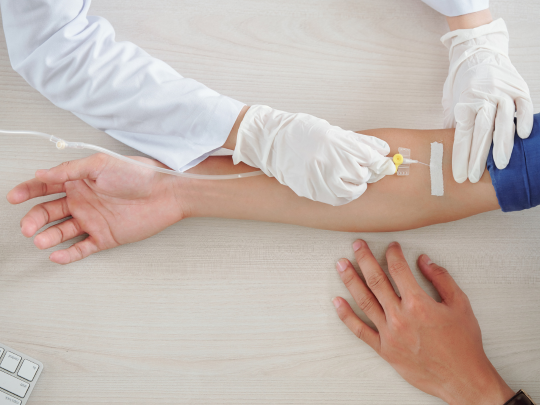
This treatment steadily infuses iron-containing saline using a narrow catheter in the arm or hand. Bypassing the digestive tract, absorption is quick, efficient, and predictable. The body can instantly create new red blood cells because iron enters the blood.
Why Might You Need an Iron Infusion?
In most cases of iron deficiency or mild to moderate anemia, pills or syrups can be used. It works for many. Some conditions make oral iron unsafe or ineffective. A doctor may prescribe an iron infusion when:
- Low hemoglobin needs a rapid increase.
- Oral iron causes nausea, contractions, and constipation or doesn’t absorb.
- Inflammatory bowel disease, celiac disease, and gut injury impair iron absorption.
- Chronic blood loss occurs due to dialysis, surgery, excessive monthly flow, ulcers, etc., causing iron levels to be regularly depleted.
- Before surgery, pregnancy, or to avoid a blood transfusion, you need iron soon.
What Happens During an Iron Infusion
Your body uses iron infusion to restore the necessary quantity of iron when there is a severe iron deficit. Here are the mentioned steps that happen during an iron infusion process:
- The medical team cleans the catheter site on your arm or hand.
- Small intravenous catheters are placed into veins.
- After securing the catheter, an intravenous bag with a diluted iron solution in saline is inserted.
- The iron solution is slowly infused, usually taking 15–30 minutes but sometimes up to an hour, depending on the quantity and formulation.
- After the infusion, you’re examined for 30 minutes for instant reactions.
As this approach avoids the gut, iron is available for the body instantly, which can improve critically low iron levels.
Benefits and Risks of Iron Infusion
Benefits
- Iron levels usually rise more quickly than with oral iron.
- It’s often more tolerable than oral iron, especially for those who experience nausea, cramps, constipation or other digestive side effects from pills.
- It can be a good option when you need iron fast before surgery, during pregnancy, or if you’ve lost a lot of blood.
- For people with gut absorption issues (like inflammatory bowel disease or celiac disease) or chronic blood loss, infusion often works where oral therapy fails.
Possible Side Effects and Risks
Most people tolerate iron infusions well. Headache, fainting, vomiting, digestive problems or metallic taste, muscular or joint aches, and catheter site swelling or irritation are moderate adverse effects.
There are also rare but major hazards. Allergic responses, rare severe anaphylaxis, and blood pressure or heart rate fluctuations are examples.
Considering these risks, doctors assess benefits and customize the infusion schedule to your iron level, body weight, and health.
How Many Infusions Might Be Needed
A single infusion or numerous treatments over several weeks may be needed, depending on your iron or haemoglobin level and the iron formulation.
Your medical professional will monitor your hemoglobin and ferritin levels a few weeks after infusion to determine if more infusions are needed.
Many people’s iron levels and symptoms recover within a few days to a week, but full restoration of iron storage and anemia might take weeks to months.
Conclusion
Iron is used by your body to create oxygen-carrying blood cells. An iron infusion is used when pills don’t function, possibly because of poor digestion or an urgent necessity. It is one of the safest and quickest processes to treat the iron deficiency that is required for various metabolic processes. Patients feel better by losing their fatigue and tiredness, and it makes them energetic after some time. When tablets don’t work, an infusion might be helpful, particularly if your iron levels are very low.
You can get a reliable process of iron infusion by a qualified medical professional at Malabar Medical Centre.