
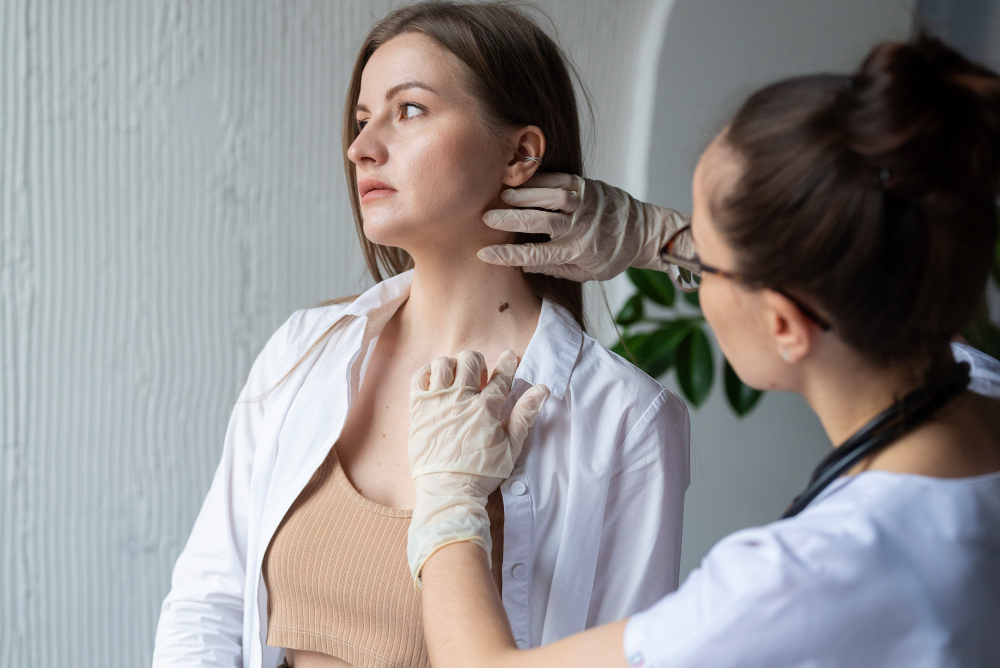
Australia has one of the highest rates of skin cancer in the world, making regular skin examinations an essential part of preventive healthcare. Many skin cancers develop gradually and may not cause noticeable symptoms in their early stages. A professional skin check at Malabar Medical Centre performed by a trained GP can help detect suspicious changes before they become serious.
A trusted Malabar GP can examine your skin, monitor changes in moles or spots, and provide early treatment or referrals if necessary. Early detection is one of the most effective ways to improve outcomes for patients diagnosed with skin cancer.
Visiting a reliable Malabar health centre ensures that you receive expert guidance from a general practitioner in NSW who understands the importance of preventive care and comprehensive health assessments.
Why Skin Checks Are Important in Australia
Australia’s climate and strong UV exposure increase the risk of skin damage and skin cancer. Many Australians experience prolonged sun exposure during outdoor activities, which makes regular skin monitoring essential.
Routine skin checks can identify potential problems early and help prevent more serious health complications.
High skin cancer rates
Australia reports some of the highest rates of Skin Cancer globally due to high UV radiation levels. Even brief periods of sun exposure without protection can damage the skin over time. Regular skin checks allow doctors to detect warning signs before cancer progresses.
Role of preventive healthcare
Preventive care plays a key role in reducing the impact of skin cancer. A general practitioner for NSW can identify suspicious moles, lesions, or unusual skin changes during routine examinations. Detecting these issues early increases the likelihood of successful treatment.
Importance of early detection
When skin cancer is detected in its early stages, treatment is usually simpler and more effective. Early detection can prevent cancer from spreading to other parts of the body. This is why regular mole check NSW appointments are recommended for many adults.
Understanding the Early Signs of Skin Cancer
Recognizing potential skin cancer signs is an important step in protecting your health. Skin cancers often develop slowly, and early symptoms can sometimes be overlooked.
Knowing what to look for can help you seek medical attention quickly and schedule a skin check in Malabar if necessary.
Changes in Moles
Moles are common and usually harmless, but changes in their appearance may indicate a problem.
Changes in size, shape, or colour
If a mole becomes larger, darker, or irregular in shape, it may require further examination. These changes could indicate abnormal skin cell growth. A GP can assess whether the mole needs monitoring or removal.
Uneven or irregular borders
Healthy moles generally have smooth and even edges. When a mole develops jagged or uneven borders, it may be a warning sign. Doctors often examine these changes closely during a mole check of NSW.
Multiple colours within a mole
A mole that contains different shades of brown, black, or red should be evaluated by a healthcare professional. Colour variation can indicate abnormal skin development. Early assessment ensures timely treatment if necessary.
Unusual Skin Spots
New spots or lesions appearing on the skin may also indicate potential skin issues.
New growths on the skin
If a new spot appears and continues to grow over time, it should be checked by a doctor. These growths may look harmless initially but can sometimes develop into skin cancer. A professional examination ensures proper diagnosis.
Red or scaly patches
Persistent red, rough, or scaly patches on the skin may indicate early signs of skin damage or cancer. These patches may itch or bleed occasionally. A dermatology GP can assess whether the patch requires treatment.
Shiny or pearly bumps
Some types of skin cancer appear as shiny, dome-shaped bumps on the skin. These bumps may look harmless but should be examined if they persist or grow.
Persistent Skin Changes
Certain skin changes that do not heal or disappear may require medical attention.
Sores that do not heal
A sore or wound that does not heal within a few weeks should be evaluated by a doctor. Persistent sores may indicate abnormal skin cell growth.
Bleeding or crusting areas
Areas of skin that repeatedly bleed, crust, or scab can be early signs of skin cancer. Monitoring these changes helps doctors determine whether further testing is needed.
Itchy or painful spots
Skin lesions that cause ongoing discomfort or itching should not be ignored. These symptoms may indicate inflammation or abnormal cell changes.
What Happens During a Skin Check at a Malabar GP
A professional skin examination is a simple and non-invasive procedure that can provide valuable insights into your skin health.
During a skin check in Malabar, your doctor will carefully examine areas of your body that may have been exposed to the sun.
Visual Skin Examination
Full-body skin inspection
Your GP will visually inspect the skin from head to toe, checking for unusual spots, moles, or lesions. This thorough approach helps identify changes that may not be noticeable during self-examination.
Use of specialized tools
Doctors may use magnifying instruments or dermatoscopes to closely examine moles. These tools allow them to see detailed structures within the skin.
Assessment of high-risk areas
Certain areas such as the face, neck, shoulders, and back receive higher sun exposure. These regions are carefully examined for potential signs of damage.
Mole Mapping and Monitoring
Tracking mole changes over time
Doctors may record the size, colour, and shape of moles during your visit. These records help track changes during future appointments.
Photographic documentation
Some clinics take photographs to monitor suspicious spots over time. This allows doctors to compare images and identify subtle changes.
Regular follow-up checks
If a mole appears unusual but not immediately dangerous, your GP may recommend monitoring it over several months.
Biopsy or Referral if Needed
Skin biopsy procedure
If a suspicious lesion is identified, your GP may recommend a small biopsy. This involves removing a tiny sample of skin for laboratory testing.
Referral to specialists
If advanced treatment is required, your doctor may refer you to a dermatologist or specialist.
Early treatment options
Detecting cancer early allows for simpler treatments such as minor surgical removal.
The Role of a General Practitioner in Skin Health
A general practitioner in NSW plays an important role in managing skin health and preventing serious conditions.
Preventive skin screening
Regular skin examinations allow doctors to detect early warning signs before symptoms worsen. This preventive approach improves treatment outcomes.
Dermatology-related GP care
Many GPs provide dermatology-related services, including mole checks, lesion removal, and skin monitoring.
Early diagnosis and referrals
GPs can quickly identify potential skin cancers and refer patients for specialized treatment when needed.
Services Available at a Malabar Health Centre for Skin Health
A comprehensive malabar health centre offers a range of services designed to protect and maintain skin health.
Skin Cancer Screening
Regular skin examinations
Early detection of suspicious lesions
Professional advice on sun protection
Preventative Health Assessments
Comprehensive health screenings
Monitoring chronic health conditions
Lifestyle advice for better overall health
Women’s Health Services and Skin Care Advice
Guidance on skin changes during pregnancy or menopause
Preventive screenings
Advice on maintaining healthy skin
Skin Health Tips to Reduce Your Risk of Skin Cancer
Protecting your skin from sun damage is one of the most effective ways to prevent skin cancer.
Use sunscreen regularly
Applying sunscreen with high SPF protects the skin from harmful UV rays. Sunscreen should be reapplied every two hours; when outdoors.
Wear protective clothing
Hats, sunglasses, and long sleeves provide additional protection from the sun. Protective clothing helps reduce direct UV exposure.
Monitor your skin regularly
Self-examinations allow you to identify changes in moles or spots early. If anything, unusual appears, schedule a skin check in Malabar with your GP.
Who Should Get a Skin Check in Malabar
Regular skin examinations are recommended for many adults, particularly those at higher risk of skin cancer.
People who spend a lot of time outdoors
Individuals with fair skin or freckles
People with a family history of Skin Cancer
Adults with many moles or unusual skin spots
If you fall into any of these categories, a routine mole check can help detect potential issues early.
How Often Should You Schedule a Skin Check
The recommended frequency of skin checks varies depending on your risk level.
Average risk individuals
Most adults should consider a skin check every one to two years.
High-risk individuals
People with significant sun exposure or family history of skin cancer may need annual examinations.
GP recommendations
Your Malabar GP can recommend the best schedule based on your skin type and medical history.
Final Thoughts
Skin health is an important part of overall wellbeing. Regular skin checks appointments at Malabar allow doctors to detect early skin cancer signs, monitor moles, and provide professional advice on protecting your skin. If you notice any unusual changes in your skin or would like a routine examination, contact us to book an appointment with an experienced GP and take a proactive step towards protecting your long-term health.
A trusted general practitioner at Malabar can guide you through preventive care and recommend appropriate screenings as part of broader Preventative Health Assessments.